Every Time You Switch Tasks, You Pay a Tax You Can't See
Switching between tasks feels efficient. But each transition costs you more focus, more time, and more mental energy than you realize.
Category
8 articles
Switching between tasks feels efficient. But each transition costs you more focus, more time, and more mental energy than you realize.
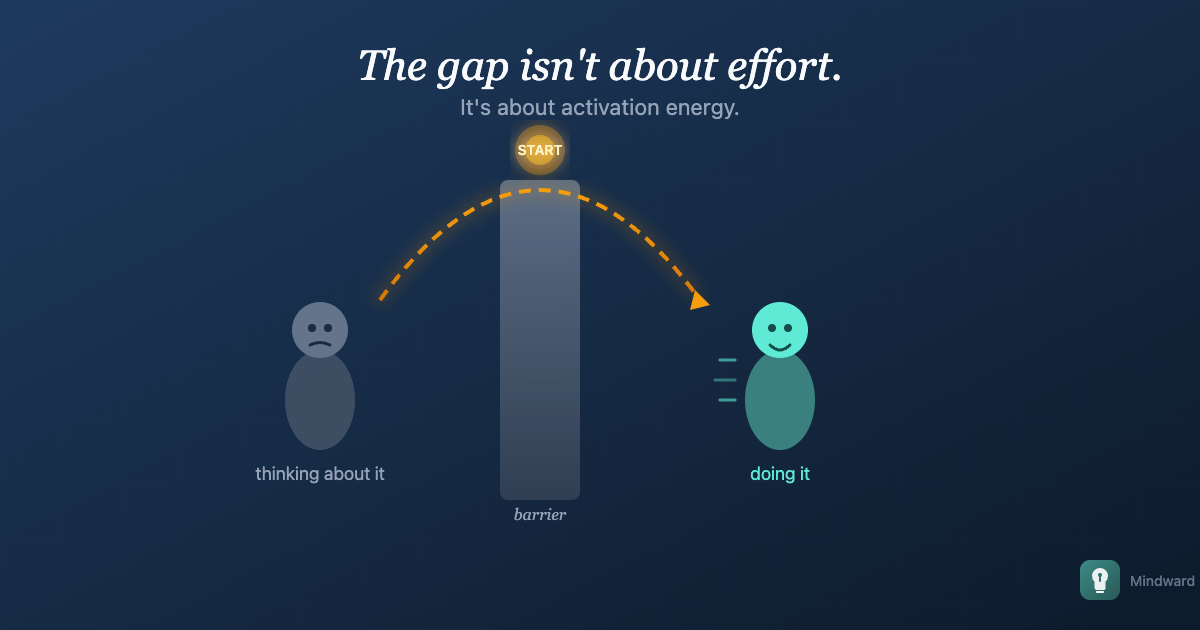
The hardest part of any task isn't the work itself—it's the invisible barrier between thinking about it and actually beginning. Here's how to dissolve that friction.
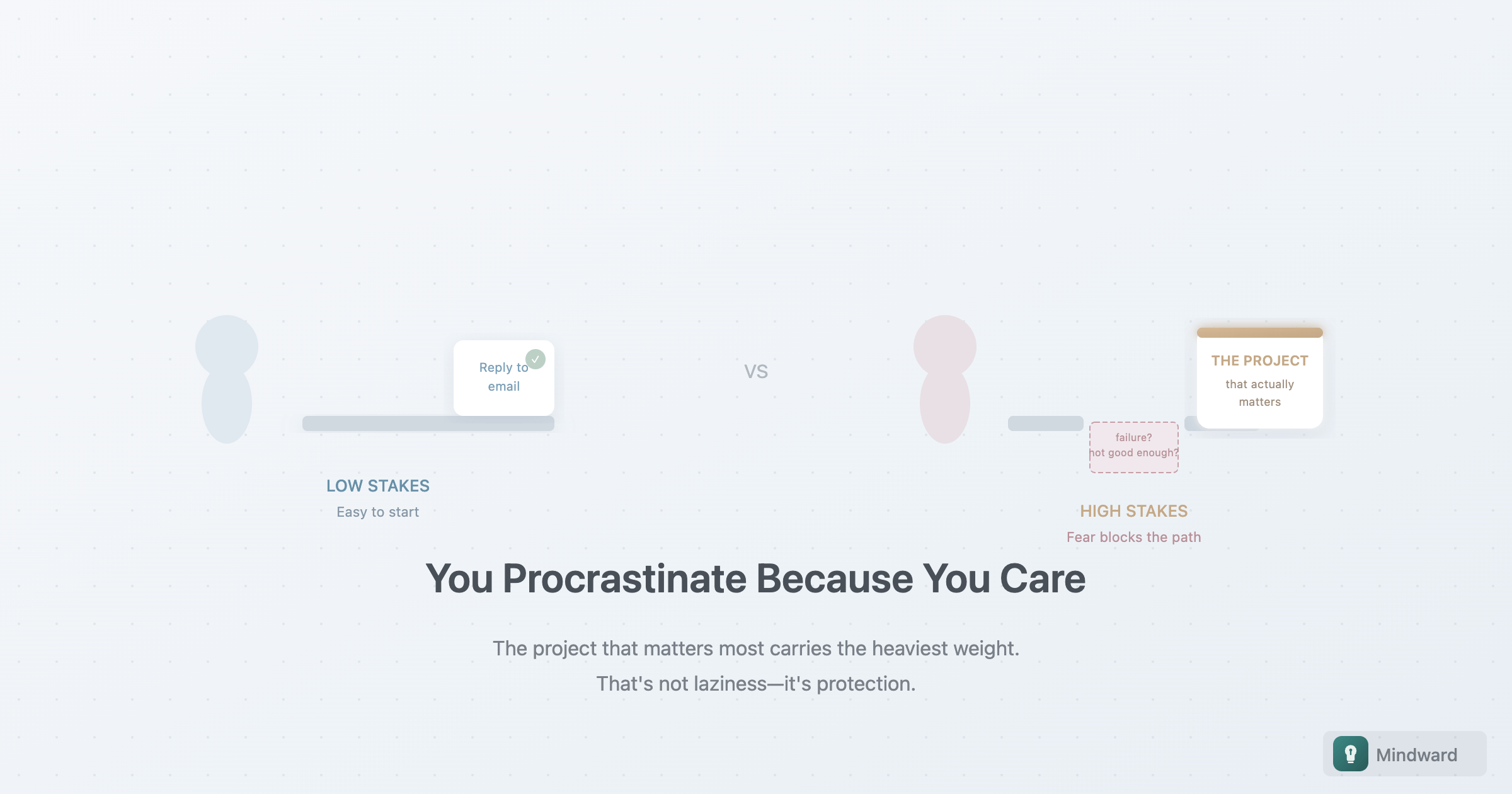
The project that matters most sits untouched while you clear emails and organize files. It's not laziness. The things we care about are the hardest to start—and there's a reason.
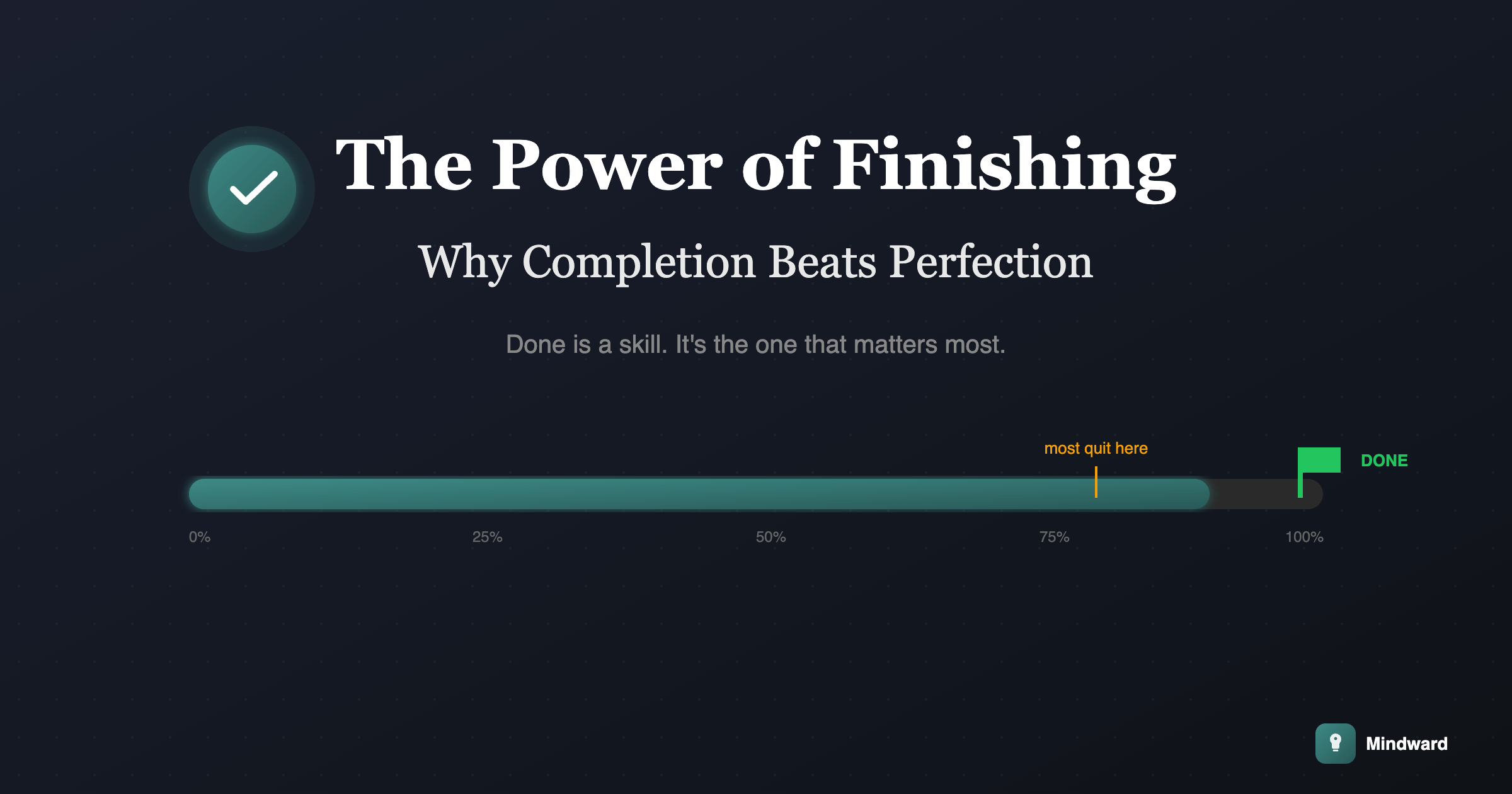
An imperfect finished project teaches you more and creates more value than a perfect one that never ships. Done is a skill—and it's the one that matters most.
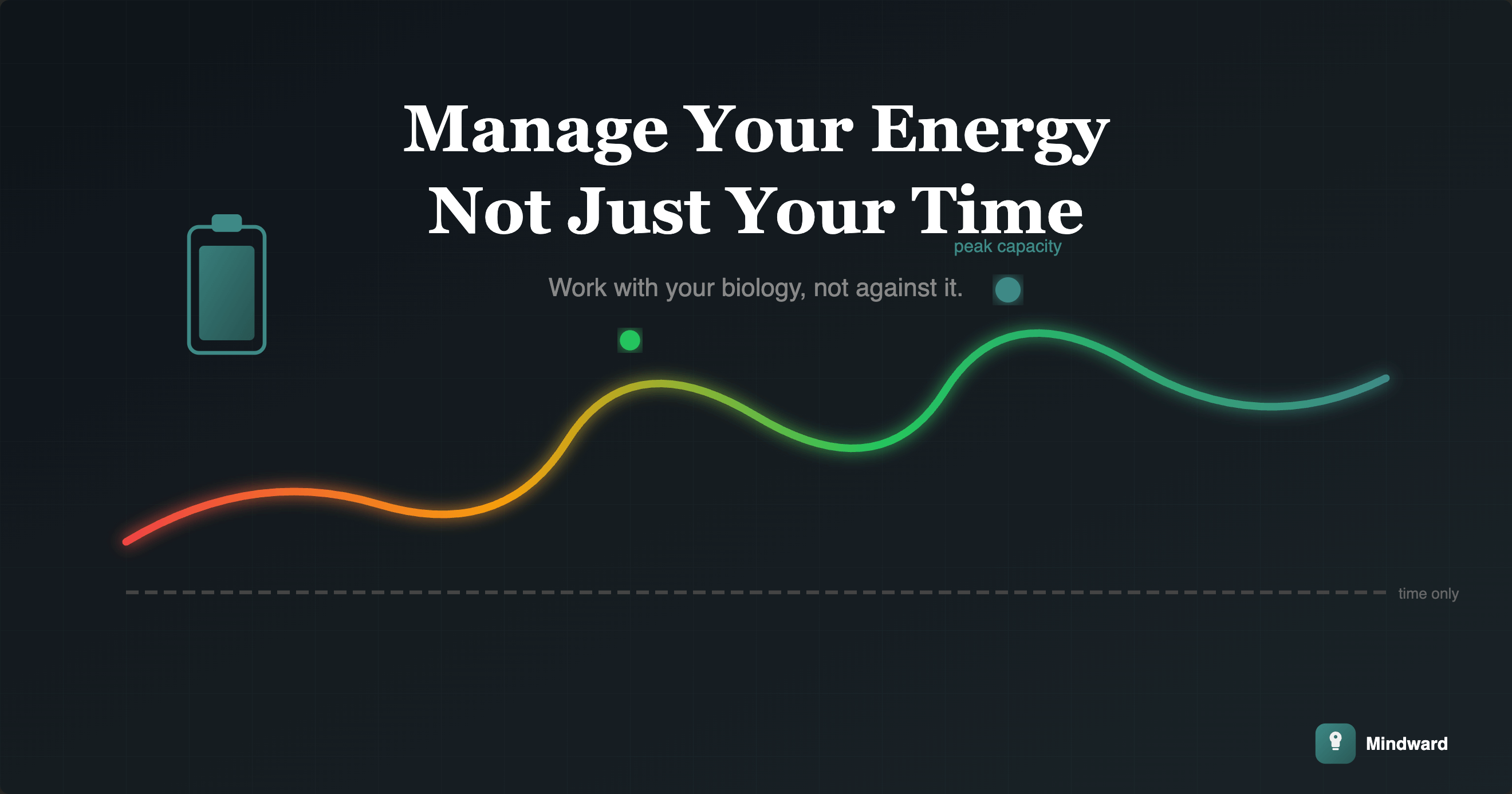
You can't manufacture more hours. But you can multiply what you accomplish in them by working with your energy instead of against it.
Motivation fades. Willpower depletes. But when you reduce the friction between you and your work, productivity becomes the path of least resistance.
Multitasking feels productive but costs you hours. Single-tasking feels slow but compounds into mastery.
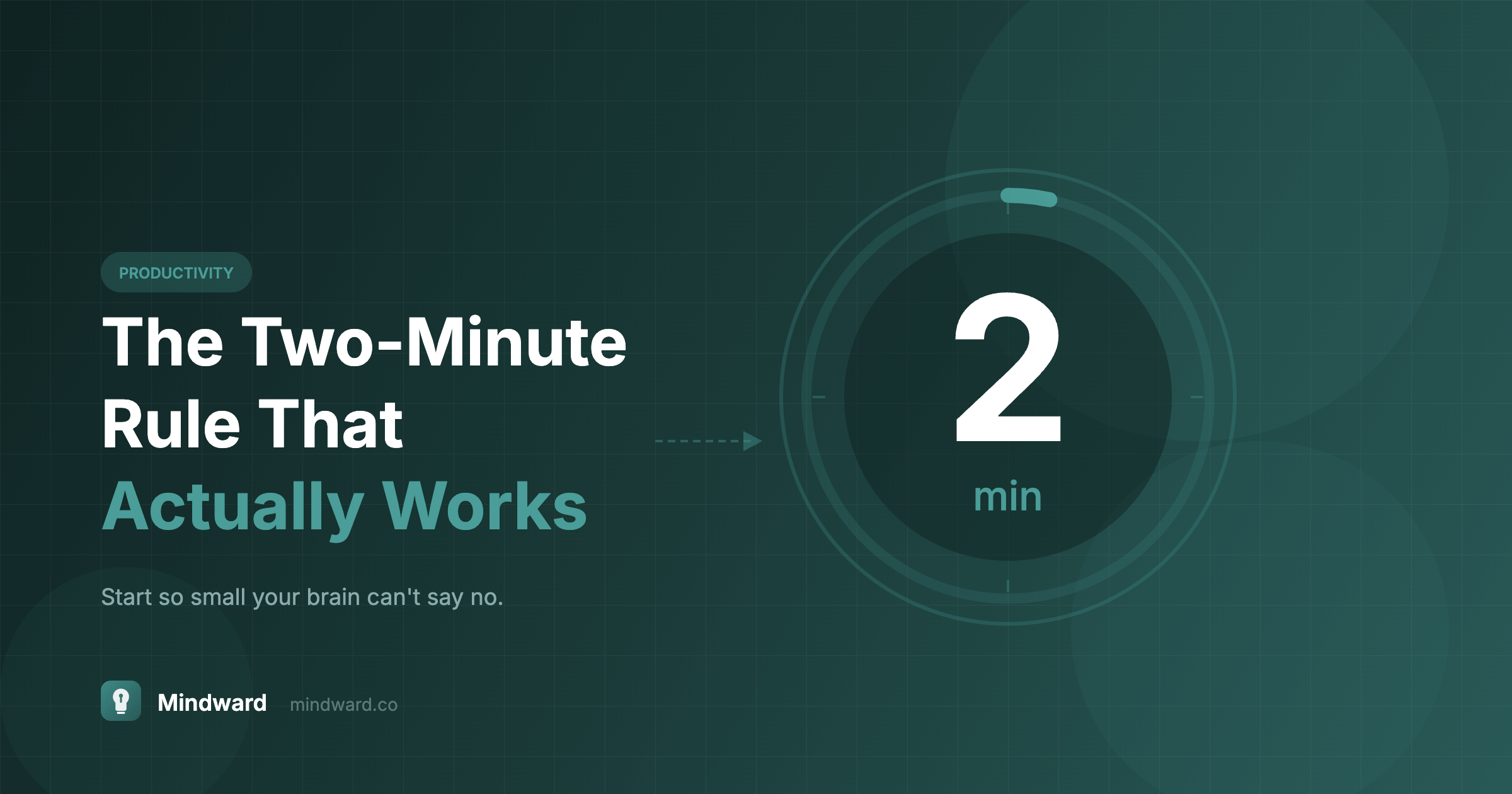
Most productivity advice fails because it asks too much. The two-minute rule succeeds because it asks almost nothing—and that's exactly why it changes everything.