Your Environment Is Not Neutral
You think you're choosing freely. But your surroundings are making half your decisions before you even notice. Design your environment, or it will design your behavior.
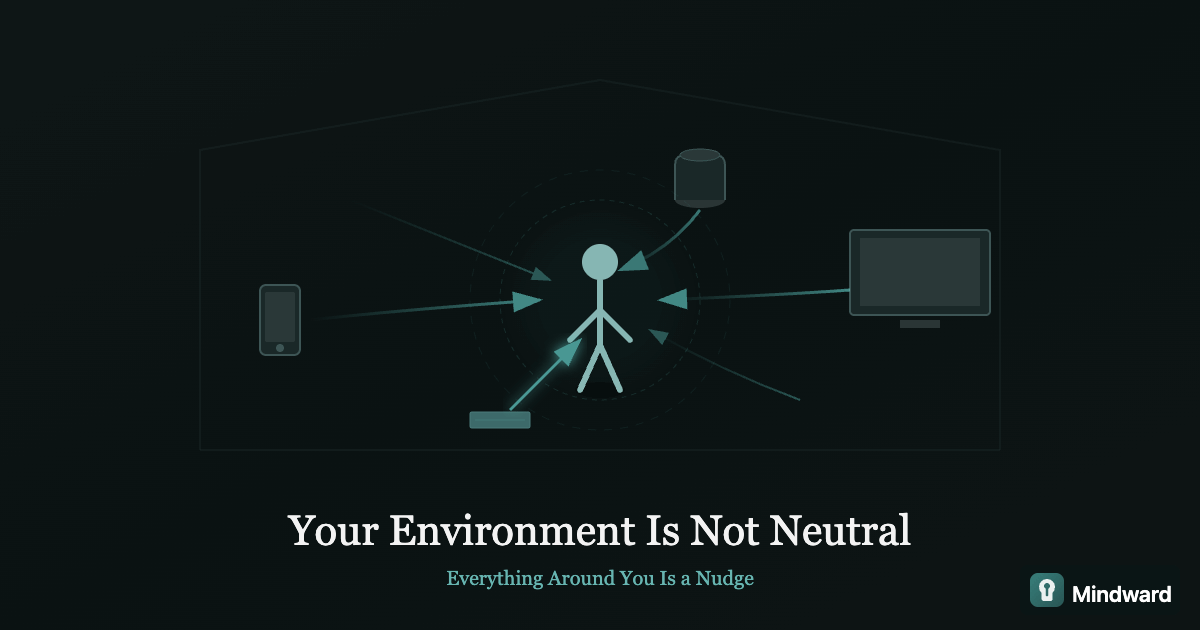
You think you're the one making decisions.
You choose what to eat, when to work, whether to scroll or sleep. It feels like free will — a series of conscious choices you make throughout the day. But look closer and something else emerges.
Your environment is making half those decisions before you even realize there's a choice to make.
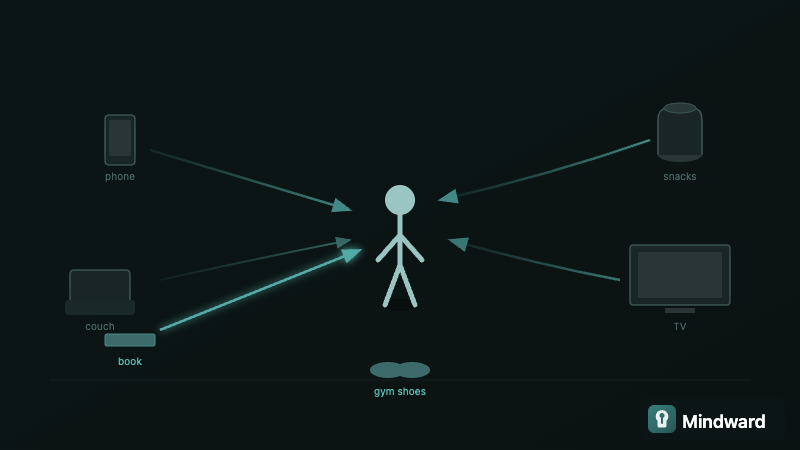
The phone on your desk. The snacks in your eyeline. The chair that faces the TV. The apps on your home screen. None of these are neutral. Each one is a quiet nudge, a friction reduced, a path made easier. And you walk down the easier path far more often than you think.
The Myth of Pure Willpower
We've been sold a story about self-control. That disciplined people are simply better at resisting temptation. That success comes from trying harder, wanting it more, being mentally tougher.
Research tells a different story.
Studies on self-control consistently find that people who appear disciplined aren't better at resisting temptation — they're better at avoiding it. They structure their lives so the temptation rarely arises. They don't stare down the cookie jar with iron will. They don't keep cookies in the house.
Willpower is not a skill to strengthen. It's a resource to conserve — by designing environments that don't require it.
Every time you rely on willpower, you're betting against the architecture of your surroundings. Sometimes you'll win. But the environment is patient. It's always there, quietly making one option easier than another.
How Environment Shapes Behavior
Your surroundings influence you through two primary levers: friction and cues.
Friction is the effort required to do something. Even tiny amounts matter. One study found that employees ate 16% less candy when the bowl was moved six feet farther from their desk. The candy was still free. Still visible. Just slightly less convenient. That was enough.
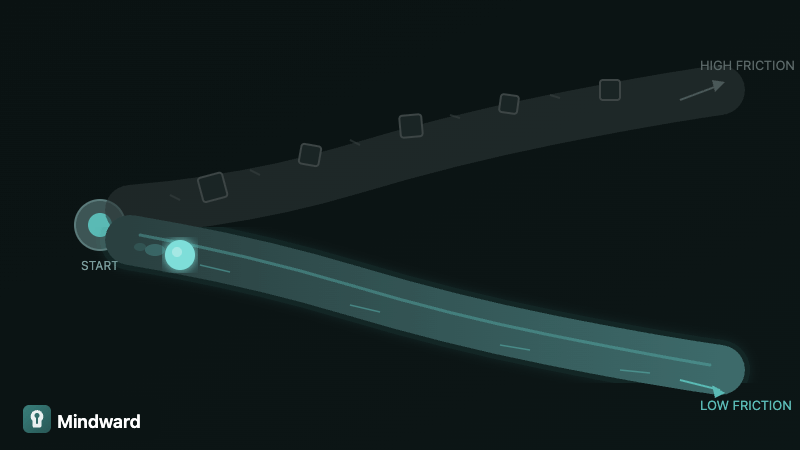
Cues are the triggers that prompt behavior. A phone on the table cues checking. A guitar in the corner cues playing. A book on the nightstand cues reading. You don't decide to notice these things — noticing is automatic. What you notice shapes what you do.
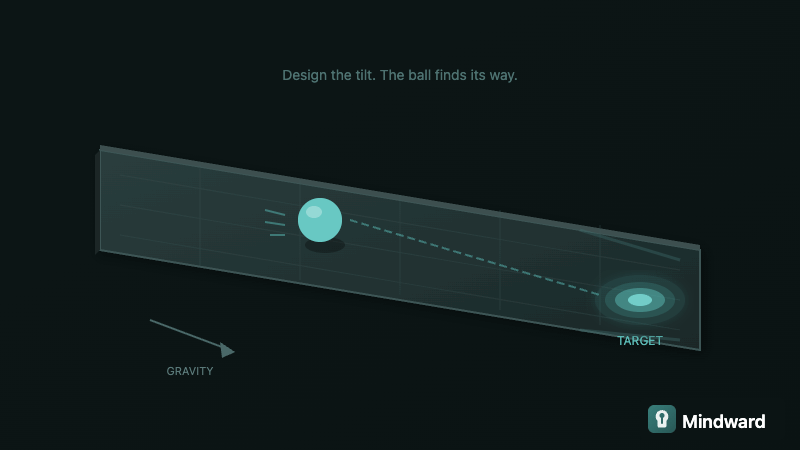
Together, friction and cues form an invisible architecture that tilts your behavior in predictable directions. You can fight that architecture. Or you can rebuild it.
Designing for the Behavior You Want
Environment design isn't about perfection. It's about probability. You're not guaranteeing good choices — you're making them more likely. Here's how:
- Reduce friction for desired behaviors. Want to exercise? Sleep in your workout clothes. Want to read more? Put the book where you'll see it. Want to eat better? Prep ingredients in advance. Every step you remove is a barrier that won't stop you.
- Increase friction for unwanted behaviors. Delete social media apps so you have to use the browser. Keep junk food in an inconvenient spot. Charge your phone outside the bedroom. Small obstacles compound.
- Make cues obvious. Put your vitamins next to your coffee. Leave your journal open on your desk. Set your running shoes by the door. You can't act on what you don't notice.
- Hide competing cues. If the TV remote is easier to grab than the book, you'll grab the remote. If your phone is visible while you work, it will pull your attention. Remove what distracts.
The goal isn't to create a prison of perfect habits. It's to tilt the playing field in your favor so that the path of least resistance leads somewhere you actually want to go.
The Environment You Don't See
Physical environment matters. But there's another layer we often miss: social and digital environments.
Who you spend time with shapes what feels normal. If everyone around you complains, complaining feels natural. If everyone around you is building something, building feels natural. You absorb the standards of your social environment without trying.
Your digital environment works the same way. The accounts you follow, the content you consume, the notifications you allow — all of these are cues and influences operating constantly in the background. They don't feel like environment because there's no physical space. But they shape your thoughts, moods, and behavior just as powerfully.
Curate your inputs like you'd curate your living space. What you let in shapes what comes out.
Start Where You Are
You don't need to overhaul everything. Environment design works best in small, targeted moves. Pick one behavior you want to change. Then ask two questions:
What's making the wrong choice easy? Remove it, hide it, add friction.
What would make the right choice easier? Add a cue, reduce a step, put it in your path.
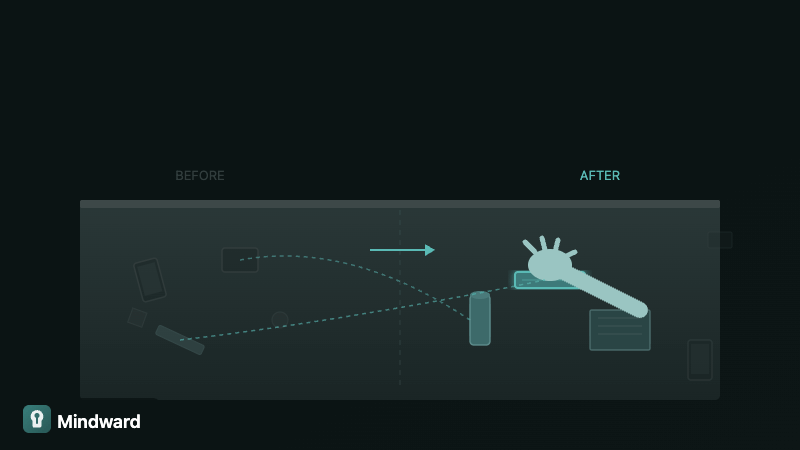
One change. That's enough to start. And once you see how much behavior shifts from that single adjustment, you'll never go back to fighting your environment with willpower alone.
Your Surroundings Are a Choice
You may not have chosen the environment you're in. But you can choose what stays, what goes, and what gets placed where.
This isn't about controlling every variable. It's about recognizing a lever most people ignore. Your surroundings aren't backdrop — they're infrastructure. They either support the life you want or quietly undermine it.
Design your environment, or it will design your behavior.
The choice is already being made. You might as well make it consciously.


Comments
How did you like this article?
No comments yet. Be the first to share your thoughts!