Clarity Comes From Action, Not Before It
You're not waiting for clarity — you're avoiding the discomfort of uncertainty. The path reveals itself when you start walking, not while you're standing still.
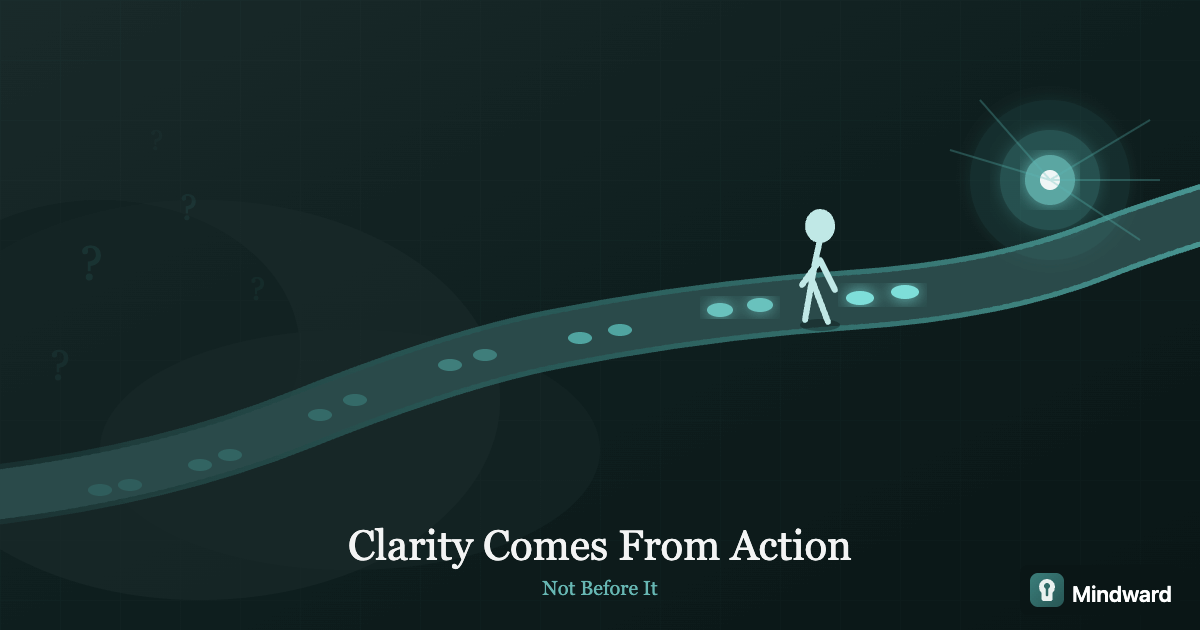
You're waiting for something that isn't coming.
You tell yourself you need more information. More time to think. A clearer sense of what you actually want. You believe that once you figure it out — once the fog lifts — you'll finally be ready to move.
But the fog doesn't lift from thinking. It lifts from walking.
This is one of the most persistent illusions in personal growth: the belief that clarity precedes action. That you need to know before you go. In reality, the relationship works the other way around. Action generates clarity. Movement creates information. You learn what you want by doing things, not by thinking about doing things.
Why Your Brain Lies to You About Readiness
Your brain has a vested interest in keeping you still. Not because movement is dangerous, but because uncertainty is uncomfortable — and your brain is built to avoid discomfort.
When you face an uncertain path, your mind frames hesitation as wisdom. It tells you that waiting is the responsible choice. That more thinking will yield a better answer. But this is rarely true. What feels like careful deliberation is often just sophisticated avoidance.
Research on decision-making consistently shows that beyond a certain threshold, additional information doesn't improve decisions — it just delays them. You hit diminishing returns quickly. After that, you're not gathering data. You're just hiding.
The question isn't whether you have enough information to start. It's whether you're using "not enough information" as permission to stay comfortable.
The Information You Actually Need Doesn't Exist Yet
Here's what makes waiting so futile: the clarity you're seeking cannot be found where you're standing. It exists only on the other side of action.
You want to know if you'll enjoy a new career before you try it. You want to know if a relationship will work before you commit. You want to know if the project will succeed before you invest. But this knowledge isn't available in advance. It's created through contact with reality.
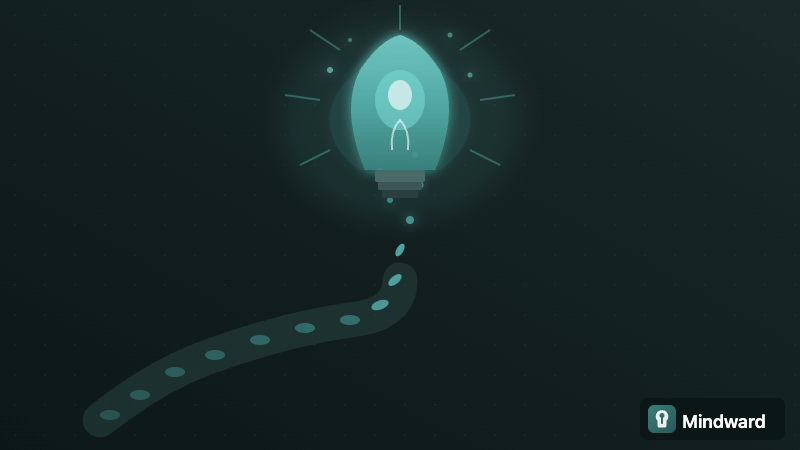
Think about anything you now understand deeply. Your taste in music. Your work preferences. Your relationship patterns. None of this came from introspection alone. It came from listening to albums, taking jobs, dating people. Experience taught you what thinking never could.
The same is true for whatever you're deliberating now. The information you need is locked behind the door of doing.
Small Actions, Real Data
This doesn't mean you should leap blindly. It means you should step — and then look.
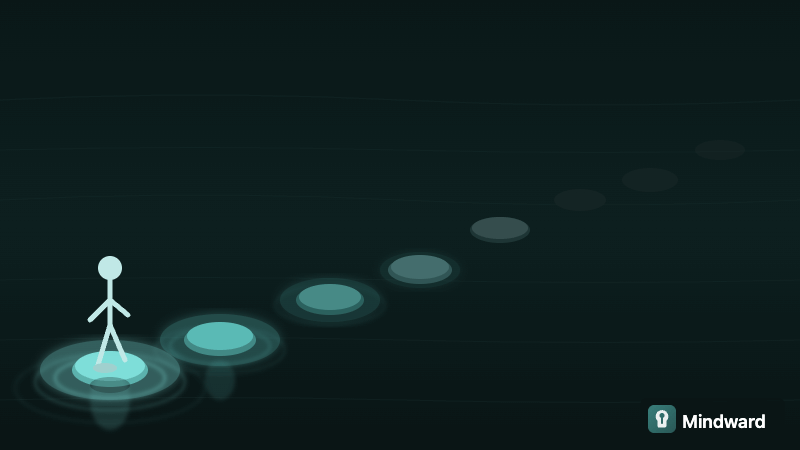
The most effective approach isn't to wait for certainty or to ignore uncertainty. It's to take small, low-cost actions that generate real information. Experiments, not commitments. Pilots, not permanent decisions.
- Curious about a field? Have three conversations with people in it before deciding if you want to pursue it.
- Unsure about a project? Build the smallest viable version and see how it feels.
- Questioning a relationship? Plan something that requires genuine collaboration and notice what emerges.
- Thinking about a move? Spend a week there before signing a lease.
Each small action returns data. Not speculation — actual evidence about how you respond, what you enjoy, where you struggle. This is information you cannot access through analysis alone.
The Discomfort Is the Point
Starting without clarity feels wrong because it is uncomfortable. But discomfort and wrongness are not the same thing.
Your nervous system will resist forward motion into uncertainty. You'll feel anxious, exposed, possibly foolish. This is normal. It's also not a signal to stop. It's simply the felt experience of doing something meaningful without a guarantee.
People who build lives they're proud of aren't people who eliminated this discomfort. They're people who learned to act alongside it. They feel the uncertainty and move anyway — not because they're braver, but because they've accepted that this is how growth works.
You don't overcome the fear of uncertainty by thinking your way out of it. You overcome it by proving to yourself, through action, that you can handle not knowing.
What Changes When You Stop Waiting
When you release the demand for clarity before action, several things shift.
First, you move faster. Decisions that used to take months now take days, because you're no longer waiting for a certainty that wasn't coming anyway. You're running experiments instead of simulations.
Second, you learn what you actually want. Not what you think you should want. Not what sounds good in theory. What genuinely fits — which you can only discover through contact.
Third, you build tolerance for ambiguity. This is one of the most valuable capacities you can develop. The ability to act with incomplete information isn't just useful; in a complex world, it's essential. And it's a muscle that strengthens only through use.
Start Before You're Ready
You will never feel fully ready. That feeling isn't coming. Not because something is wrong with you, but because readiness isn't a feeling — it's a story we tell ourselves to justify delay.
The alternative isn't recklessness. It's recognizing that the best way to find out is to find out. To take the smallest meaningful step toward the thing you're considering, and let reality inform what comes next.
Clarity is not the prerequisite. Clarity is the reward.
It comes to those who start walking.


Comments
How did you like this article?
No comments yet. Be the first to share your thoughts!