You're Not Unqualified, You're Just New
That voice telling you that you don't belong? It's not evidence. It's just the sound of growth.

You got the role. You're in the room. And now, every day, you're waiting for someone to realize they made a mistake.
You look around at people who seem fluent in things you're still Googling. They speak in shorthand you don't recognize. They reference history you weren't there for. And somewhere in the back of your mind, a quiet voice keeps asking: what am I doing here?
Here's what that voice doesn't understand: feeling unqualified and being unqualified are not the same thing.
The Discomfort Is Data, Not Verdict
When you step into something new—a job, a project, a level of responsibility you've never held—your brain does what it's designed to do. It scans for threats. It compares your current competence to the competence required. And when it finds a gap, it sounds the alarm.
That alarm feels like you don't belong. But what it actually means is: you're not where you were. You've moved. You're in new territory.
The discomfort isn't a sign you've made a wrong turn. It's confirmation that you've left the familiar behind.

Competence Is Lagging, Not Missing
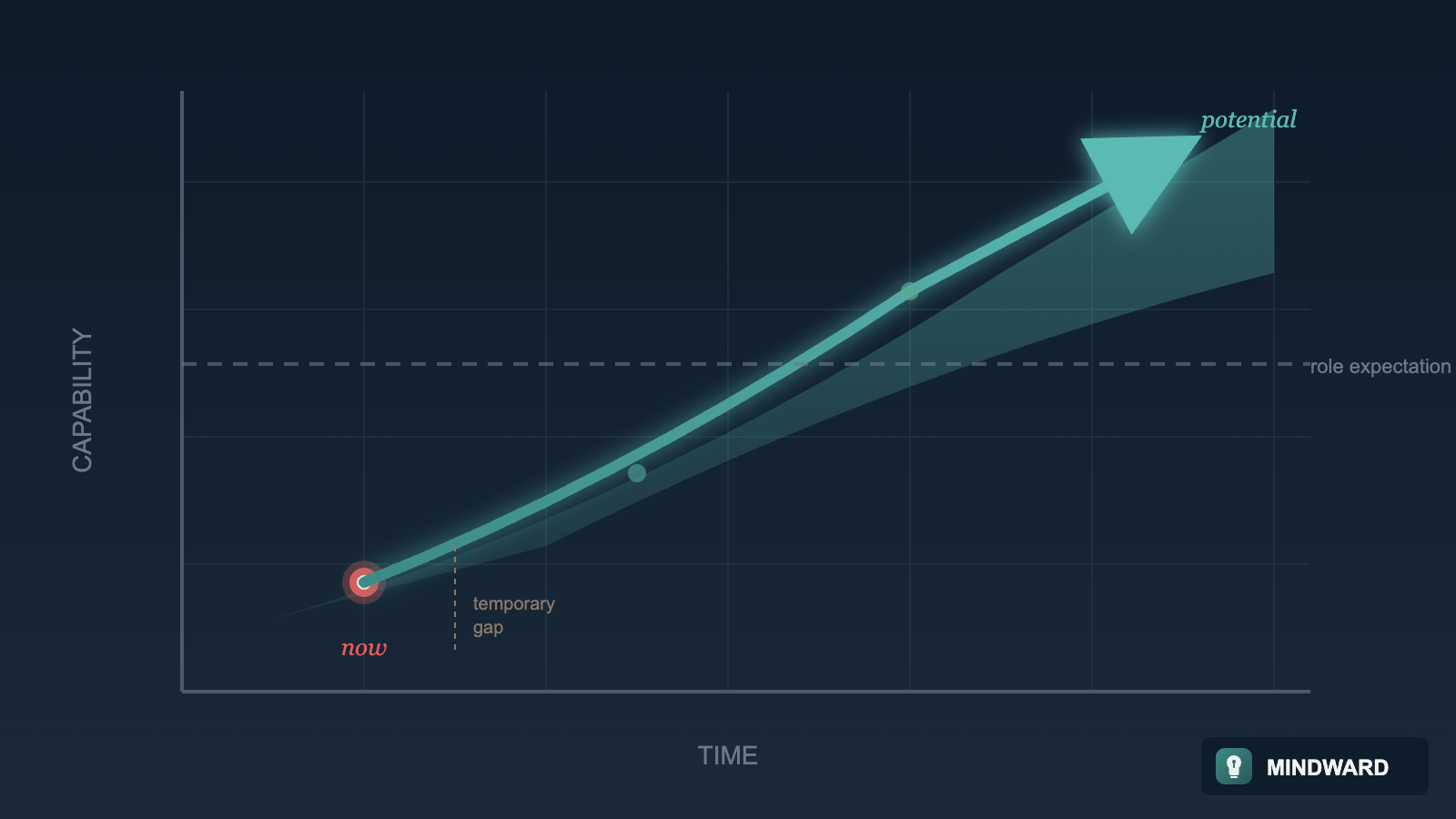
There's a delay between entering a new role and feeling capable in it. This delay is not optional. It's not a sign of weakness. It's how skill acquisition works.
You cannot skip the part where you don't know what you're doing. No one can. The people who look confident were once exactly where you are now—they've just had more reps.
What feels like a permanent gap is actually a temporary lag. You're not unqualified. Your competence just hasn't caught up to your title yet. It will. But only if you stay long enough to let it.
The gap between your role and your readiness isn't a mistake. It's the space where growth happens.
You Were Hired for Trajectory, Not Just Position
Here's something worth remembering: whoever hired you knew more about the role than you did. They saw candidates. They compared. They chose you—not because you had already mastered the job, but because they believed you could.
Hiring is a bet on trajectory. People don't just hire for where you are. They hire for where they believe you're going.
So when you feel like a fraud, you're essentially arguing that the people who chose you—who had access to more information than you—made a mistake. That's a surprisingly arrogant form of self-doubt.
What to Do While You're Still New
The goal is not to stop feeling new. It's to stop letting that feeling convince you that you shouldn't be here. A few things help:
First, shrink the time horizon. You're not supposed to be good at this yet. Give yourself a real timeline—three months, six months—before you evaluate whether you belong. Judging your long-term fit based on your first few weeks is like reviewing a movie after the opening credits.
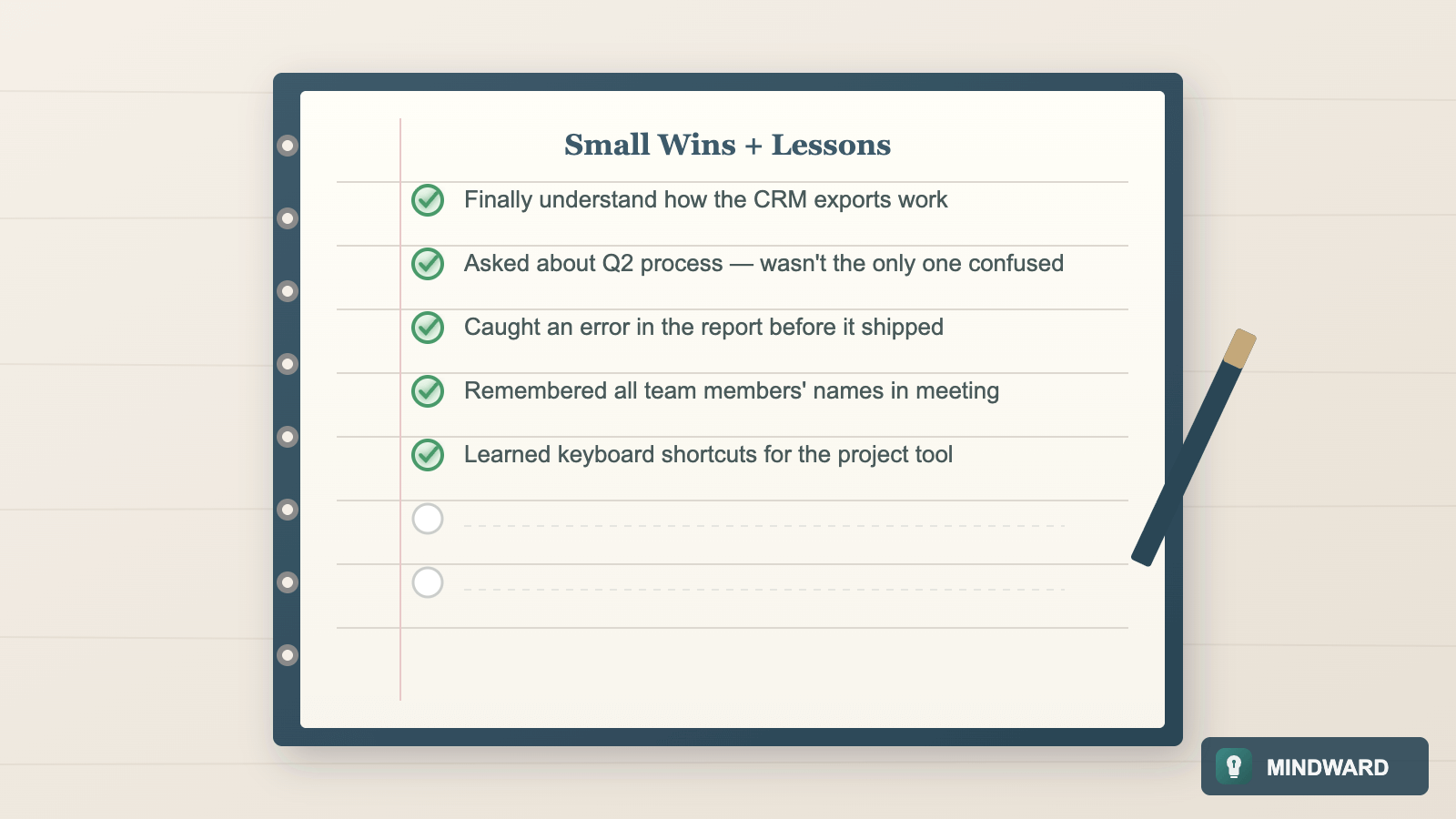
Second, track what you're learning, not just what you don't know. Your brain has a negativity bias. It fixates on gaps. Counter it by keeping a running log of things you've picked up—terms that now make sense, processes you've started to understand, moments where you contributed something useful. Progress is easy to miss if you don't write it down.
Third, ask questions out loud. The instinct when you feel like a fraud is to hide. To pretend you understand when you don't. This is the worst move. It slows your learning and deepens your isolation. Asking questions signals engagement, not incompetence. And most of the time, someone else in the room is relieved you asked.
The Ones Who Look Confident Were New Once, Too
It's easy to forget that everyone around you went through this. The colleague who seems to have all the answers once sat where you're sitting, Googling acronyms under the table, hoping no one would ask them something they couldn't answer.
Confidence in a role is not a personality trait. It's a function of exposure over time. You're not seeing their beginning—you're seeing their middle.
Comparing your chapter one to someone else's chapter twelve is not just unfair. It's inaccurate.
Being New Is a Phase, Not a Flaw
You will not feel this way forever. That's not a platitude—it's a pattern. The discomfort of newness fades with time. It always does. What feels impossible to imagine now will eventually feel routine.
But you have to stay in the room long enough for that transition to happen. You have to resist the urge to interpret discomfort as evidence that you don't belong.
Being new is uncomfortable. It's supposed to be. That discomfort is the feeling of your capacity expanding.
You're not unqualified. You're just early. And early is exactly where everyone who eventually becomes great has to start.


Comments
How did you like this article?
No comments yet. Be the first to share your thoughts!